
Sanhedrin Convenes to Deliberate the Festival of Tisha B'Av דיון בסנהדרין בנושא חג 'תשעה באב'
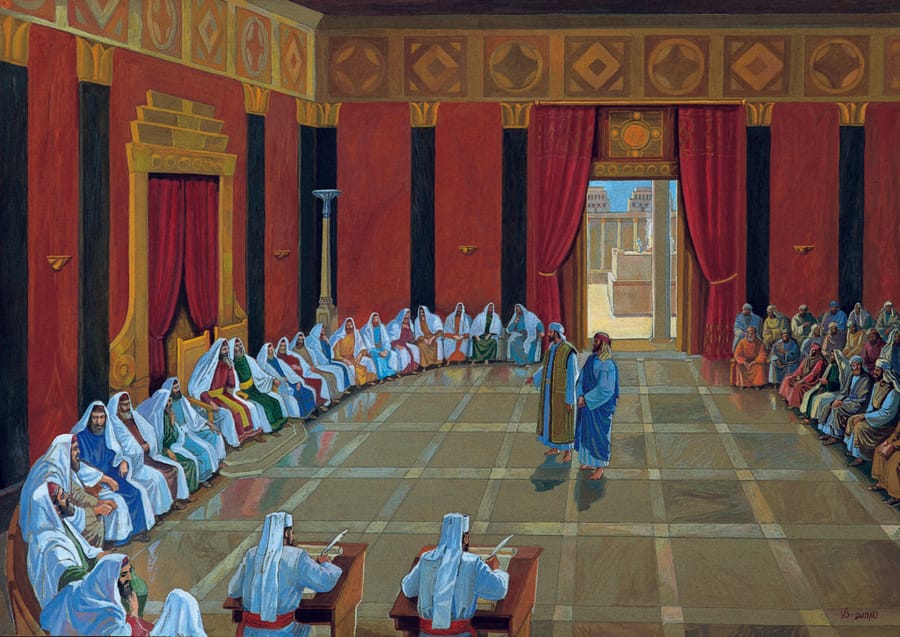
For nearly two thousand years, the Ninth of Av was the darkest day on the Jewish calendar — a fast of mourning for the destruction of both Temples. This year, with the Beit HaMikdash standing and its service fully restored, the Great Sanhedrin of seventy-one has convened in the Chamber of Hewn Stone (Lishkat HaGazit) to determine how the day is to be observed — as the prophets foretold, a fast transformed into a festival. במשך כמעט אלפיים שנה היה תשעה באב היום הקשה ביותר בלוח השנה היהודי — יום צום ואבל על חורבן שני בתי המקדש. השנה, כאשר בית המקדש עומד על מכונו והעבודה בו מתנהלת כסדרה, התכנסה הסנהדרין הגדולה של שבעים ואחד בלשכת הגזית כדי לקבוע כיצד יש לנהוג ביום זה — כפי שניבאו הנביאים, צום ההופך לחג.
From Fast to Festival מצום למועד
The transformation is not an innovation of the court but an explicit promise of the prophets. Zechariah declared: "The fast of the fourth month, the fast of the fifth, the fast of the seventh, and the fast of the tenth shall become for the house of Judah joy and gladness and cheerful festivals" (Zechariah 8:19). The fast of the fifth month is Tisha B'Av. אין מדובר בחידוש של בית הדין, אלא בהבטחה מפורשת של הנביאים. זכריה הכריז: "צוֹם הָרְבִיעִי וְצוֹם הַחֲמִישִׁי וְצוֹם הַשְּׁבִיעִי וְצוֹם הָעֲשִׂירִי יִהְיֶה לְבֵית יְהוּדָה לְשָׂשׂוֹן וּלְשִׂמְחָה וּלְמֹעֲדִים טוֹבִים" (זכריה ח, יט). צום החמישי הוא תשעה באב.
The Talmud (Rosh Hashanah 18b) rules that the status of these days follows the state of the world: in a time of peace, they become days of joy and gladness; in a time of persecution, they are fasts. The Rambam codifies the final word: "All these fasts are destined to be annulled in the days of Moshiach; moreover, they are destined to become festivals and days of joy and gladness" (Hilchot Taaniyot 5:19). הגמרא (ראש השנה יח, ב) קובעת שמעמדם של ימים אלו תלוי במצב העולם: בזמן שיש שלום — יהיו לששון ולשמחה; בזמן גזירה — צום. והרמב"ם פוסק את המילה האחרונה: "כל הצומות האלו עתידים ליבטל לימות המשיח, ולא עוד אלא שהם עתידים להיות ימים טובים וימי ששון ושמחה" (הלכות תעניות ה, יט).
Nor is this without historical precedent. The Magen Avraham (Orach Chaim 552:11) writes that in the era of the Second Temple, Tisha B'Av was a yom tov, and they would hold festive meals on it; and the Chatam Sofer (Drashot for 7 Tevet 5574, s.v. Tzom HaRevi'i) writes that labor was prohibited on it — a full festival in every respect. For as long as the Temple stood, the day of destruction was itself a day of celebration. ואין זה חסר תקדים היסטורי. המגן אברהם (אורח חיים סימן תקנ"ב ס"ק י"א) כותב שבזמן בית שני היה תשעה באב יום טוב, והיו מרבין בו בסעודה; והחתם סופר (דרשות לז' בטבת תקע"ד ד"ה צום הרביעי) כתב שאף היה בו איסור מלאכה — יום טוב גמור לכל דבר. כל עוד עמד המקדש על מכונו, יום החורבן עצמו היה יום של שמחה.
A precedent was already set this summer: on the Seventeenth of Tammuz, following an interim ruling of the court, no fast was proclaimed — for the first time since the destruction. The upcoming Ninth of Av, however, carries far greater weight, and the court has therefore convened for full deliberation. תקדים כבר נקבע בקיץ הזה: בשבעה עשר בתמוז, בעקבות הוראת שעה של בית הדין, לא הוכרז צום — לראשונה מאז החורבן. אולם תשעה באב נושא משקל כבד הרבה יותר, ולפיכך התכנס בית הדין לדיון מלא.
The Questions Before the Court השאלות העומדות לדיון
That there will be no fast this year is not in question — with the Temple standing, "there is peace" in the full sense of the Talmud's ruling. The deliberation concerns the positive character of the day: Does Tisha B'Av again become a full yom tov with a prohibition of labor, as the Chatam Sofer attests it was in the Second Temple era? Is Hallel to be recited? Should the day be marked with festive offerings — shalmei simcha and korbanot todah — in the Azarah? על כך שלא יהיה צום השנה אין עוררין — כאשר בית המקדש עומד, "יש שלום" במלוא מובן פסק הגמרא. הדיון נסוב על אופיו החיובי של היום: האם תשעה באב חוזר להיות יום טוב גמור עם איסור מלאכה, כפי שמעיד החתם סופר שהיה בזמן בית שני? האם אומרים בו הלל? האם יש לציין את היום בקרבנות של שמחה — שלמי שמחה וקרבנות תודה — בעזרה?
The court is also weighing the sources that always hinted at the day's hidden character: Eichah itself calls the day a mo'ed — "He has proclaimed a set time against me" (Lamentations 1:15) — the reason Tachanun was never recited on Tisha B'Av even in exile. And the Midrash teaches that the redeemer of Israel is born on Tisha B'Av (Eichah Rabbah 1:51): the day of the deepest descent always carried within it the seed of redemption. בית הדין שוקל גם את המקורות שרמזו מאז ומעולם על אופיו הנסתר של היום: מגילת איכה עצמה קוראת ליום "מועד" — "קָרָא עָלַי מוֹעֵד" (איכה א, טו) — ומטעם זה לא אמרו תחנון בתשעה באב אף בגלות. והמדרש מלמד שגואלם של ישראל נולד בתשעה באב (איכה רבה א, נא): היום של הירידה העמוקה ביותר נשא בתוכו מאז ומתמיד את זרע הגאולה.
A further question touches the generations of mourning themselves: what becomes of the kinnot, composed over centuries of exile? One position before the court holds that they be preserved and studied — not as mourning, but as remembrance, so that the joy of the rebuilt Temple is never taken for granted. שאלה נוספת נוגעת לדורות האבלות עצמם: מה יהא על הקינות שנתחברו לאורך מאות שנות גלות? עמדה אחת שהוצגה בפני בית הדין גורסת שיש לשמרן וללומדן — לא כאבל, אלא כזיכרון, כדי ששמחת המקדש הבנוי לעולם לא תיחשב כמובנת מאליה.
Key Details פרטים חשובים
- Tisha B'Av 5786 falls on Wednesday, July 22 תשעה באב תשפ"ו חל ביום רביעי, 22 ביולי
- A formal ruling is expected before Rosh Chodesh Av (Tuesday, July 14), so that communities in Israel and the diaspora can prepare פסק הלכה רשמי צפוי לפני ראש חודש אב (יום שלישי, 14 ביולי), כדי שקהילות בארץ ובתפוצות יוכלו להיערך
- No fast will be observed this year — the deliberation concerns the day's festive character: yom tov status, Hallel, and offerings צום לא יתקיים השנה — הדיון נסוב על אופיו החגיגי של היום: מעמד יום טוב, הלל וקרבנות
- Sources: Zechariah 8:19; Rosh Hashanah 18b; Rambam, Hilchot Taaniyot 5:19; Magen Avraham, Orach Chaim 552:11; Chatam Sofer, Drashot for 7 Tevet 5574 מקורות: זכריה ח, יט; ראש השנה יח, ב; רמב"ם הלכות תעניות ה, יט; מגן אברהם או"ח סימן תקנ"ב ס"ק י"א; חתם סופר דרשות לז' בטבת תקע"ד
- The ruling will be published on this site immediately upon its announcement פסק הדין יפורסם באתר זה מיד עם הכרזתו